Key Trends in the Chip Industry
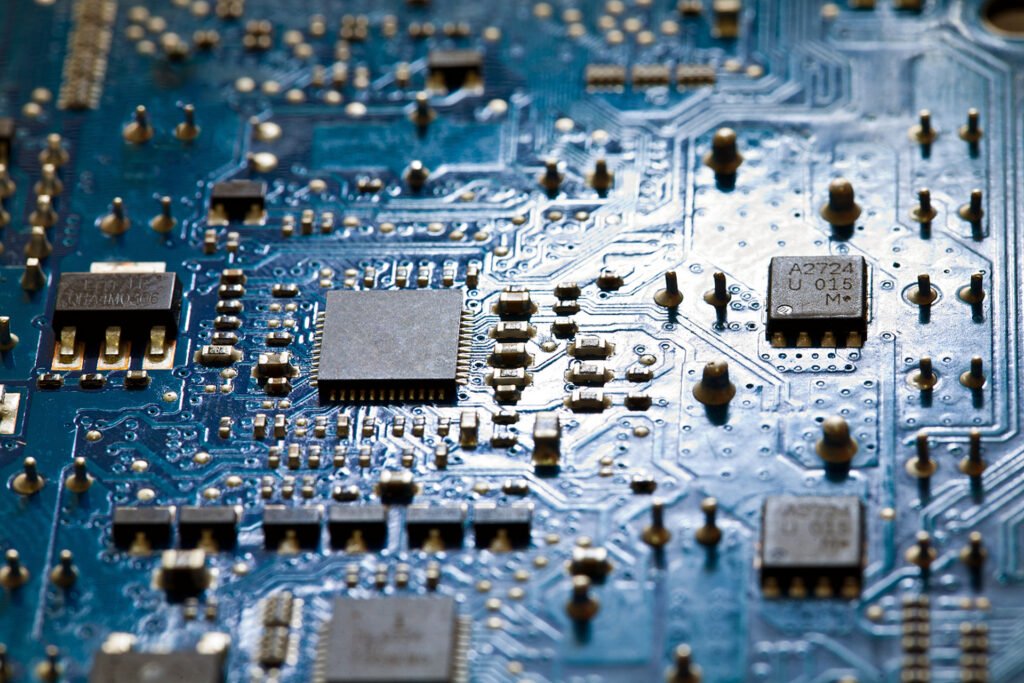
As demands continue to rise, the chip industry is demonstrating four key trends that are shaping its development trajectory.
1. Breakthroughs in Process Technology
Advances in chip process technology are pushing the industry to new heights. From 28nm to 7nm, and now widely discussed 3nm and even 2nm nodes, each technological leap marks higher performance, lower power consumption, and smaller chip sizes. These breakthroughs not only meet the needs of high-performance computing devices but also accelerate the adoption of smartphones, wearable devices, and in-vehicle systems.
2. The Rise of Heterogeneous Computing Architectures
With increasingly diverse and complex computational demands, a single processor is no longer sufficient to efficiently handle all application scenarios. Heterogeneous computing architectures integrate CPUs, GPUs, FPGAs, and AI accelerators, significantly boosting computational efficiency. This architecture excels in AI, image processing, and big data analytics, driving the implementation of computation-intensive applications.
3. Parallel Development of Integration and Modularization
The chip industry is advancing along two parallel paths. On one hand, integration technologies, such as System-on-Chip (SoC), consolidate processors, memory, communication modules, and other functions onto a single chip, providing more efficient solutions for terminal devices. On the other hand, modular designs allow for the flexible combination of chips with different functionalities, enabling rapid responses to diverse market demands. This dual development greatly enhances design flexibility and production efficiency.
4. Market Demand Driving R&D Innovation
Market demand for high-performance chips has never been as urgent as it is today. Emerging technologies like AI, 5G communication, and IoT are accelerating the pace of chip innovation. For example, dedicated AI chips have emerged to support the rapid iteration of AI models, while the high-frequency communication requirements of 5G base stations have driven advancements in millimeter-wave technology. Market demand not only boosts chip production but also guides the direction of industry R&D efforts.
Looking Ahead: Opportunities Amid Challenges
Despite the promising outlook for the chip industry, it also faces significant challenges, such as process technology nearing physical limits, material shortages, and supply chain instability. However, these challenges also bring opportunities. Emerging technologies like 3D packaging, quantum chips, and neuromorphic chips are gradually becoming new growth drivers for the industry. At the same time, global investments and policy support for chip technology are injecting even greater confidence into the sector.
Conclusion: Innovation Leading the Intelligent Era
Advances in chip technology not only drive the arrival of the intelligent era but also reshape the development landscape of various industries. From breakthroughs in process technology to the rise of heterogeneous computing architectures, and from integration to modularization, every trend points to a shared goal: to make chips a more powerful engine of innovation. Looking ahead, continuous innovation will be the key to staying in tune with the pulse of the chip industry’s development and propelling the intelligent era to new heights.