In today’s digital age, we rely on a vast array of electronic devices that make our lives more convenient, connected, and efficient. What many of us don’t realize is that behind the scenes, there are countless tiny, almost invisible chips silently powering our gadgets. These “invisible chips” are micro-sized semiconductors embedded in devices, enabling everything from mobile phones to smart home appliances to operate seamlessly. In this article, we explore how these microchips are silently supporting the digital world around us, and the role they play in shaping our modern lives.
What Are ‘Invisible Chips’?
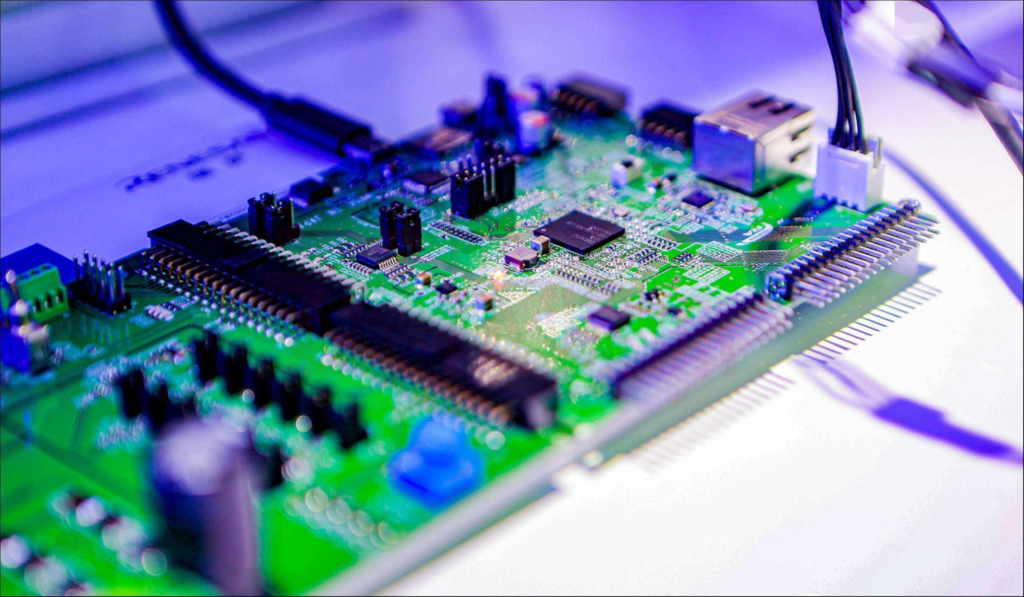
“Invisible chips” are microchips or semiconductors that are often too small to be seen with the naked eye. They are embedded within electronic devices to carry out essential tasks like processing, communication, and storage. These chips are typically integrated circuits (ICs), built using advanced manufacturing processes that shrink their size to the level of nanometers. Their small form factor allows them to be discreetly integrated into the internal components of devices without affecting their appearance or functionality.
Despite being “invisible,” these chips are the unsung heroes of modern electronics, enabling a wide range of tasks and interactions within our devices, often without us even realizing their presence.
How Invisible Chips Shape Our Digital World
You may not see them, but microchips are everywhere, quietly making our devices smarter. Let’s look at how they are embedded in some of the most common devices in our everyday lives:
Smartphones
- System on Chip (SoC): The heart of every modern smartphone is the SoC—a powerful microchip that combines multiple functions, including the CPU, GPU, AI processing unit, and wireless connectivity (Wi-Fi, Bluetooth). It’s responsible for handling all major tasks, from running apps to managing network connections and executing AI functions.
- NFC Chips: Near Field Communication (NFC) chips enable mobile payments and allow devices like smartphones to interact with payment terminals, access control systems, and even public transport passes.
- Sensor Chips: Smartphones are equipped with tiny chips that control sensors like accelerometers, gyroscopes, fingerprint scanners, and environmental sensors, enabling features like face recognition, motion detection, and touch ID.
Smart Home Devices
- Smart Speakers: Devices like Amazon Echo and Google Nest are powered by small chips that support voice recognition, AI-driven responses, and smart home integration. These chips also allow the devices to process commands to control other smart appliances in your home.
- Smart Lightbulbs and Plugs: These devices use chips that facilitate wireless communication (via Zigbee or Wi-Fi) to connect to apps or voice assistants, giving users control over their home’s lighting and appliances.
Automobiles
- Autonomous Driving Chips: Modern vehicles, particularly electric and self-driving cars, contain multiple microchips responsible for real-time processing of data from sensors like cameras, radars, and LIDAR. These chips enable features such as automatic lane-keeping, collision avoidance, and driver assistance systems.
- Onboard Sensor Chips: Car systems also rely on microchips for engine control, temperature regulation, infotainment, and safety monitoring. These chips ensure smooth operation and a better driving experience.
Wearable Devices
- Smartwatches and Health Monitors: Wearables like the Apple Watch or fitness trackers contain chips that monitor heart rate, steps, sleep patterns, and more. These chips gather and process health data, sending it to cloud servers for analysis, providing valuable insights to users.
- Wireless Earbuds: Devices like Apple AirPods are powered by tiny chips that control wireless connectivity, audio processing, voice assistant capabilities, and real-time environmental sound management.
Smart TVs and Entertainment Devices
- Smart TV Chips: Inside your smart TV is a microchip that controls everything from video decoding to internet connectivity. This chip enables access to streaming services, voice commands, and personalized recommendations.
- Game Console Chips: Game consoles like PlayStation and Xbox use powerful microchips to handle high-definition graphics, sound processing, and real-time gaming experiences, allowing users to enjoy cutting-edge entertainment at home.
Medical Devices
- Portable Health Devices: Wearable medical devices like glucose monitors and ECG devices rely on chips to measure vital health metrics, process data, and send it to healthcare providers for analysis. These chips help patients manage chronic conditions more effectively.
Invisible Chips and Privacy Concerns
While invisible chips bring tremendous benefits by making our devices smarter and more efficient, their pervasive presence also raises important privacy and security concerns. Many of the devices mentioned above collect data about users’ activities, location, health, and even habits, often in the background. This data can be valuable for personalizing services, but it also opens the door for privacy risks. As consumers, it’s crucial to remain aware of how our data is being used and take necessary precautions, such as adjusting privacy settings and using secure networks.
The Future of Invisible Chips: The Road Ahead
The future of invisible chips is not only about miniaturization but also about making them more powerful and capable. As semiconductor technology continues to evolve, these chips will become even smaller, more efficient, and more integrated into our lives. The next generation of chips might be embedded in everything from clothing to furniture, enabling the vision of a truly connected world.
- Wearable and Embedded Chips: Future chips could be integrated into everyday items like glasses, clothes, or even the skin, providing real-time data processing and communication without the need for external devices.
- The Internet of Things (IoT): As IoT devices continue to proliferate, invisible chips will form the backbone of a vast, interconnected ecosystem, where everyday objects communicate with each other and operate autonomously to enhance convenience, efficiency, and sustainability.
Conclusion
Invisible chips are the silent drivers of the digital world, making our devices smarter, faster, and more connected. From smartphones to smart homes, cars to wearables, these microchips perform critical tasks that enable the technologies we often take for granted. As the semiconductor industry advances, these chips will continue to shrink and become even more deeply embedded in the fabric of our daily lives, making our environments smarter and more responsive. While they may be invisible to the eye, their impact on our lives is anything but invisible.